
We're Hiring
The CASPR Team
CASPR is focused on large-scale strategic opportunities in policy and practice that can permanently reduce the cascade of harms from addiction to a fraction of its current size.




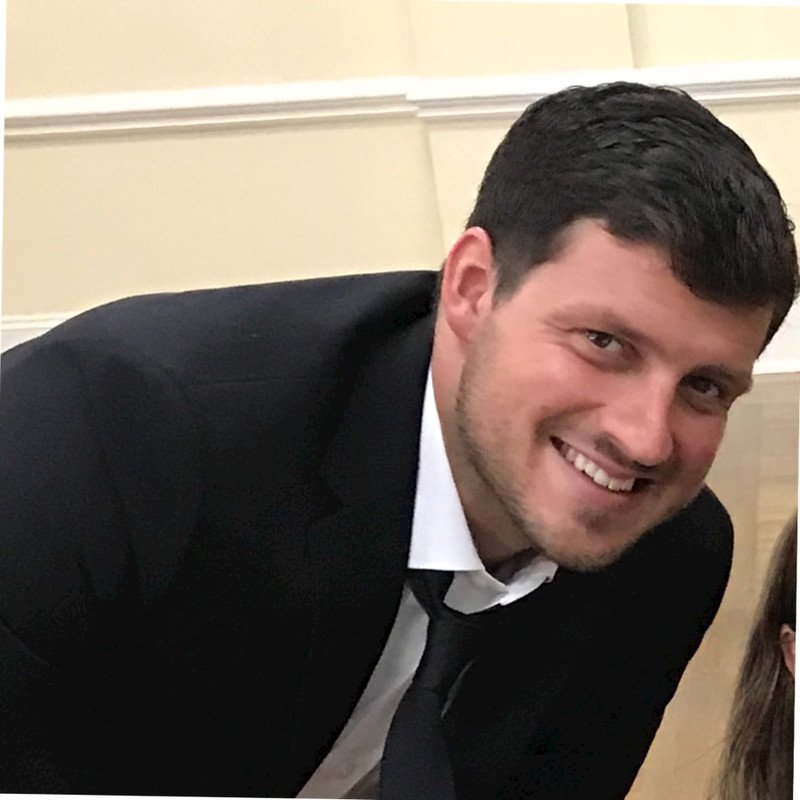


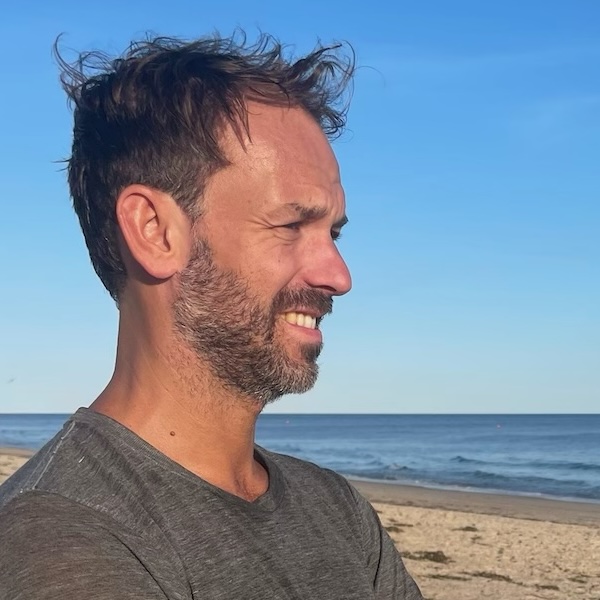
CASPR ADVISORY BOARD






Our Approach
The Problem
Clinicians, scientists, and informed policy makers agree that addiction is a disease and we are facing a public health emergency. But compared to diseases with comparable public health burdens, like cancer and heart disease, the US invests 95% less towards the development of new treatments for addiction. And unlike our response to other urgent public health crises, like COVID or HIV/AIDS, we are not acting rapidly and with a coordinated focus to get breakthrough medications into the hands of doctors and patients.
Strategies That Scale
CASPR — the Center for Addiction Science, Policy, and Research — is focused on large-scale strategic opportunities in policy and practice that can permanently reduce the cascade of harms from addiction to a fraction of its current size.
We believe that the addiction crisis, both the new and urgent threats of fentanyl and methamphetamine overdoses and also the older grinding scourges of alcohol and nicotine addiction, can be solved at scale if we bring urgency, political strategy, and coordination to the challenge.
By now, you should be a little skeptical. Addiction is an entrenched multifactorial morass that's grown much worse over the past decade — what hasn't already been tried that could make a big difference over a short time horizon? We just ask that you read our research and proposals and see if you agree that there's a dramatically better path available.
CASPR's goal is to drive system-wide change. We aren't here to help cope with the addiction crisis or gradually chip away at the problem, we are here to fight it and we are here to win.
How Can You Help?
Donate: If you'd like to support our work, you can donate here or contact us. We are a 501c3 tax-deductible non-profit organization, entirely funded by individuals and foundations, we do not take donations directly or indirectly from industry.
Why might CASPR be worth your donation? We are a small but high-impact organization, relentlessly focused on bringing a strategic approach to the field of addiction medicine and getting new treatments to patients as soon as possible. Our background is in startups, tech, science, and medicine — we are here to move fast, make change, and see impact. If you are considering a larger donation, please reach out. We'd love to tell you more about our approach and operations.